


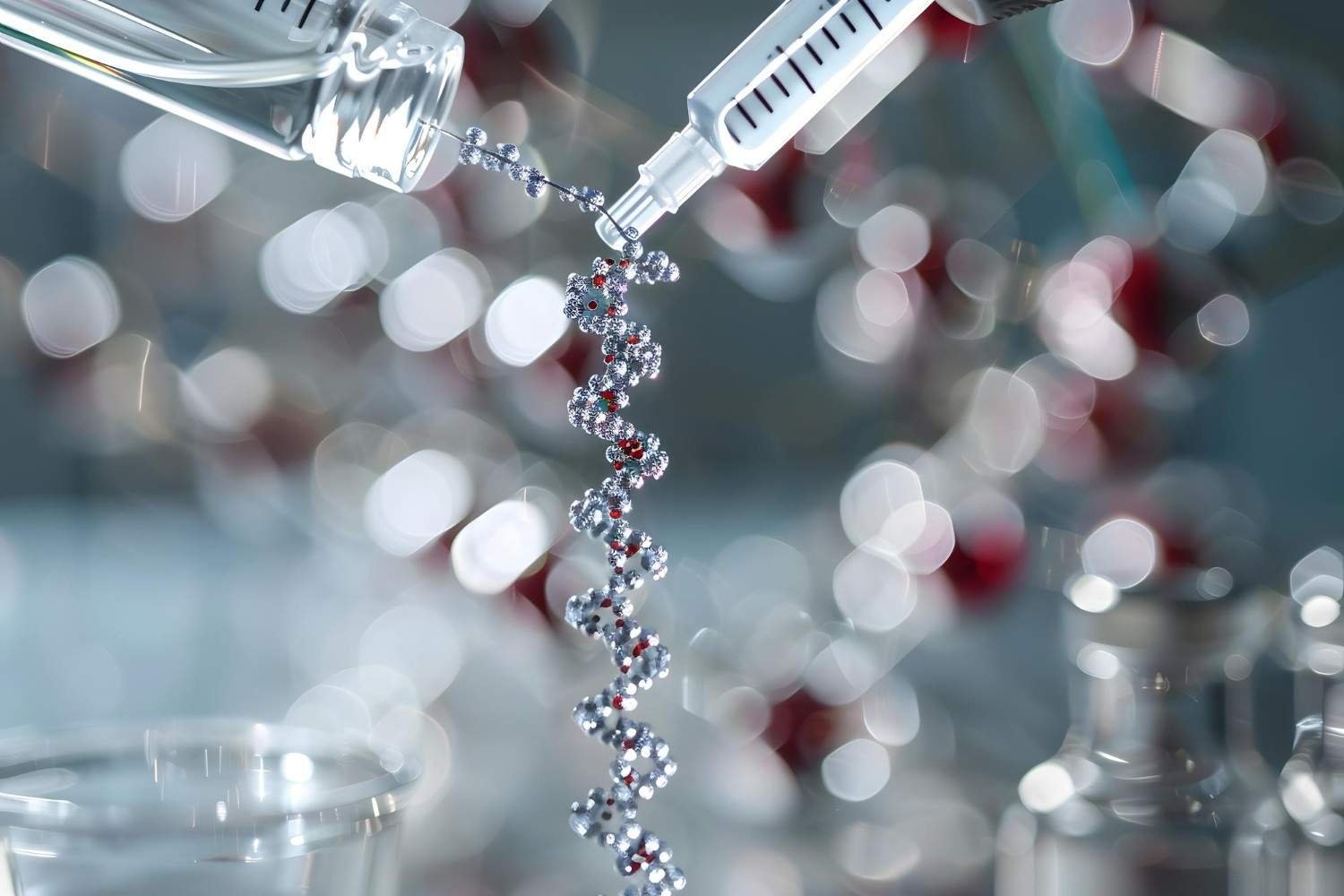
In the rapidly advancing fields of medical research, therapeutics, and synthetic biology, speed and accuracy are everything. Whether a team is engineering a novel enzyme to degrade plastics, designing a highly specific diagnostic assay, or testing custom antigens for vaccine production, they all face the same core bottleneck: obtaining flawless genetic and molecular starting materials.
Historically, laboratories had to manually isolate DNA strands or assemble short protein fragments using tedious, error-prone manual chemistry. Today, advanced bio-manufacturing has completely transformed this workflow. By outsourcing production to industrial-grade gene synthesis and custom peptide synthesis channels, researchers can now design precise molecular assets on a computer screen and receive pure, ready-to-use samples at their lab benches in a matter of days.
What is Gene Synthesis and How Does It Empower Research?
Gene synthesis is the chemical printing of custom double-stranded DNA sequences entirely from scratch, without requiring an existing physical organic template. Instead of using traditional cloning methods—which rely on cutting and pasting natural DNA using restrictive enzymes—synthesis allows scientists to specify an exact base pair sequence (A, T, C, and G) down to the individual atom.
Critical Research Advantages
- Complete Sequence Freedom: Scientists can design entirely novel genes that do not exist in nature, or optimize existing sequences to maximize protein expression across different host organisms.
- Codon Optimization: Different organisms prefer specific triplet codes to build amino acids. Synthetic engineering allows researchers to alter the genetic spelling without changing the final protein, drastically boosting yield in cellular factories.
- Time and Labor Efficiency: Skipping the traditional manual steps of PCR amplification, gel extraction, and restriction cloning frees up valuable lab hours so scientists can focus entirely on downstream discoveries.
The Indispensable Role of Custom Peptide Synthesis Services
While synthetic DNA provides the blueprints for life, working directly with functional amino acid chains requires specialized chemical construction. Short strings of amino acids (typically under 50 to 70 units) are known as peptides, and they serve as the vital keys to studying cellular receptor bindings, mapping antibody epitopes, and formulating peptide-based drugs.
Because natural cell-based expression systems struggle to produce short, isolated peptide segments efficiently, laboratories rely on specialized peptide synthesis services. Utilizing advanced Solid-Phase Peptide Synthesis (SPPS) automated systems, these services assemble the target sequence step-by-step from the C-terminus to the N-terminus.
Unlocking Advanced Chemical Modifications
One of the greatest benefits of using a professional synthesis service is the ability to bypass the biological limitations of living cells. Researchers can introduce unique modifications that standard host organisms simply cannot handle:
- Fluorescent Labeling: Attaching specialized tags like FITC or Rhodamine directly to the peptide chain for real-time tracking in cellular imaging studies.
- Structural Cyclization: Linking specific points along the peptide chain to form stable ring structures, preventing natural enzymes from breaking down the molecule prematurely in vivo.
- Non-Natural Amino Acids: Incorporating D-enantiomer amino acids to extend the compound’s half-life inside biological fluids.
Choosing the Best Blueprint for Your Lab Objectives
Deciding where to allocate your research budget depends entirely on the size, scale, and intended application of your target molecule. The table below outlines how these two core bio-services compare across standard laboratory parameters:
Frequently Asked Questions
What is the typical accuracy rate for custom gene synthesis?
Modern automated platforms utilize high-fidelity enzymes and advanced synthesis chemistry, followed by comprehensive Next-Generation Sequencing (NGS) verification. This ensures that the final plasmid delivered to your laboratory is a 100% perfect match to your digital sequence design.
How are synthetic peptides purified before delivery?
Following chemical assembly, crude peptide mixtures contain truncated sequences and leftover chemical protectants. Professional facilities utilize sophisticated preparative HPLC (High-Performance Liquid Chromatography) to filter out impurities, delivering final products at guaranteed purities ranging from 75% to over 98% based on your assay needs.
Can custom genes be optimized for host systems automatically?
Yes. Most leading bio-foundries integrate advanced software algorithms that automatically adjust your target sequence for optimal codon usage, GC content, and the elimination of unwanted secondary structures, ensuring maximum expression success inside your chosen host cells.
Why do some complex peptides fail to synthesize smoothly?
Peptides containing high percentages of highly hydrophobic or long strings of repeating amino acids can aggregate during chemical assembly on the solid resin support. Specialized services resolve this by using automated microwave-assisted heating or alternative solvent mixtures to force the chemical reactions to completion.
Is it safe to ship synthetic DNA and peptides globally?
Absolutely. Purified DNA plasmids are incredibly stable and are typically shipped lyophilized (freeze-dried) as a white powder at ambient temperature. Synthesized peptides are similarly freeze-dried and vacuum-sealed, keeping them perfectly stable throughout global transit cycles.
Drive Your Scientific Discoveries Forward
The reliability of your experimental data rests entirely on the quality, purity, and precision of your raw biological materials. Partnering with a certified, globally trusted synthesis provider eliminates the guesswork from your workflow, preventing costly experimental failures and accelerating your time-to-market. Do not allow erratic manual cloning steps or low-purity chemical yields to slow down your vital research timelines. Secure high-fidelity genetic and peptide assets tailored exactly to your unique technical specifications today, and unlock the next breakthrough in your field with complete operational confidence.

